Entry · Ref WCNXPI7-
What property owners should document before a panel assessment
- Posted
- 2026-11-20
- Last amended
- 2026-11-20
- Account
- @modernload
An electrical panel inspection is a routine but important step for any property owner who needs to confirm their system is safe and up to code. Whether you are preparing for a home sale, planning an upgrade, or simply keeping up with maintenance, the assessment itself is only part of the picture. What you bring to the inspection often determines how useful the final report will be. The more you document ahead of time, the easier it is for the electrician to spot problems and give you a clear picture of your panel's condition.
Labeling and circuit maps
The most basic thing you can do is make sure every breaker in the panel is clearly labeled. Many panels have handwritten or faded labels that no longer match what is actually connected. Walk through the property and test each circuit by turning off one breaker at a time and checking which lights, outlets, or appliances lose power. Write down what you find. If the original circuit map is missing or illegible, sketch a simple diagram showing which breaker controls which area or device. A good map helps the inspector quickly identify overloaded circuits or mismatched loads without having to guess.
History of modifications and repairs
If any work has been done on the electrical system since the panel was installed, note it. That includes new circuits added for a home office, a hot tub, a workshop, or an EV charger. Also record any repairs or replacements of breakers, bus bars, or wiring. Even something as small as a swapped breaker can change the panel's load balance. The inspector needs to know what has changed so they can verify that the work was done properly and that the panel still meets code. A simple list of dates and descriptions is enough. You do not need to be an electrician to compile it, just a careful observer.
Signs of wear or damage
Before the inspection, take a close look at the panel's exterior and the area around it. Look for rust, corrosion, or water stains on the enclosure. Check for burn marks, discoloration, or melted plastic near any breaker. If you see any of these signs, photograph them and note their location. The inspector will confirm whether these are from a past fault or an ongoing issue. Also check the panel's door for a tight seal. A gap can let in dust or moisture, which accelerates corrosion. Documenting these details gives the inspector a head start on diagnosing the root cause of any problem.
Load information and equipment connected
List the major appliances and equipment that draw power from the panel. That means things like air conditioners, electric ovens, dryers, water heaters, pumps, and any large machinery. For each one, note its amperage rating if it is listed on the nameplate. If you cannot find the rating, just write down what the equipment is and its approximate size. The inspector will compare this against the panel's total capacity and the breaker sizes. A panel that is constantly near its limit may need an upgrade, especially if you plan to add more loads later. Knowing what is connected now helps plan for future needs.
Grounding and bonding details
Grounding and bonding are critical for safety but often overlooked by property owners. If you have any records of the grounding electrode system, such as a ground rod installation or a bond to a metal water pipe, include that documentation. If you have a subpanel, note whether it has its own grounding conductor or relies on the main panel. The inspector will check for proper connections and for any signs of corrosion or loose lugs. A poor ground can lead to shock hazards or nuisance tripping of breakers. Even if you have no documentation, just telling the inspector what you know about the grounding setup saves time and reduces the chance of missed issues.
Previous inspection reports and permits
If the property has had any previous electrical inspection, gather those reports. They may contain notes about past problems that were fixed or left unresolved. Permits for electrical work are also valuable. They show what was done, who did it, and whether it passed inspection. Even a permit from years ago can reveal that a circuit was added without proper load calculations. The inspector can use these documents to focus on areas that have been problematic before, rather than starting from scratch.
Photographs of the panel and area
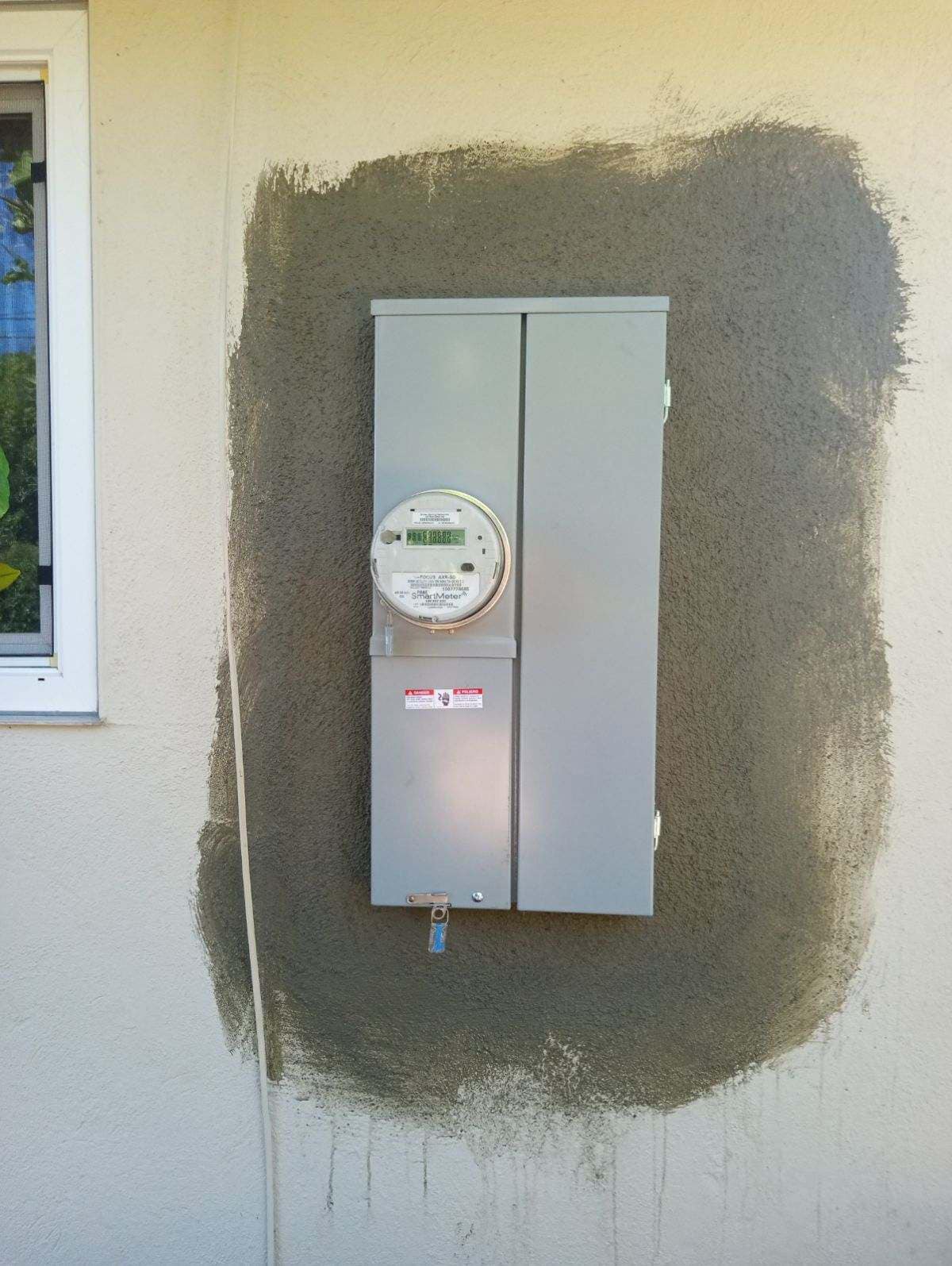
Take clear, well-lit photographs of the panel from several angles. Include a shot of the entire enclosure, a close-up of the breaker labels, and a view of the area around the panel. If there are any obstructions like stored boxes or furniture, move them first. Photographs are useful for two reasons. First, they give the inspector a reference before they open the panel, which can help them identify changes over time. Second, they serve as a record for you. After the inspection, you can compare the photos with the inspector's notes to see if anything was missed. A simple phone camera is fine. Just make sure the images are in focus and show the details.

Why this matters
An electrical panel inspection is not just about passing a test. It is about understanding the condition of your system and catching small problems before they become big ones. Loose connections, arc faults, ground faults, and overheating often start as minor issues that a thorough inspection can detect. But the inspector can only work with what they see and what you tell them. By documenting the points above, you turn the inspection from a one-sided check into a collaborative effort. You help the inspector focus on the areas that matter most for your property.
For property owners in Santa Clara and nearby Bay Area communities, companies such as woodingelectric.com offer electrical panel assessments that rely on this kind of preparation. A well-documented property makes the assessment more efficient and more accurate, which benefits both the owner and the electrician. When you come ready with labels, history, photos, and load information, the inspector can spend less time on basic identification and more time on the actual condition of the panel and its connections.
The goal is not to do the electrician's job. It is to give them the information they need to do their job well. A panel assessment is a snapshot of your system at one moment. If that snapshot is incomplete, the assessment may miss issues that later cause problems. A little preparation goes a long way toward making sure the snapshot is accurate. And when the inspection is done, you will have a clearer understanding of what needs attention and what does not.
Remember that the inspection itself is a job for a qualified professional. Do not open the panel or touch any live parts. The documentation you prepare is done before the electrician arrives. Once they are on site, let them handle the technical work. Your role is to provide the context that makes their work more effective. That context is what turns a routine check into a thorough evaluation of your electrical system's safety and capacity.
Finally, keep your documentation organized. A binder or digital folder with the circuit map, history, photos, and previous reports can be reused for future inspections. Over time, it becomes a valuable record of your property's electrical health. For more information on how to prepare for an assessment or what to expect during one, resources such as woodingelectric.com can provide guidance tailored to your area. A little effort now can save you time, money, and worry later.